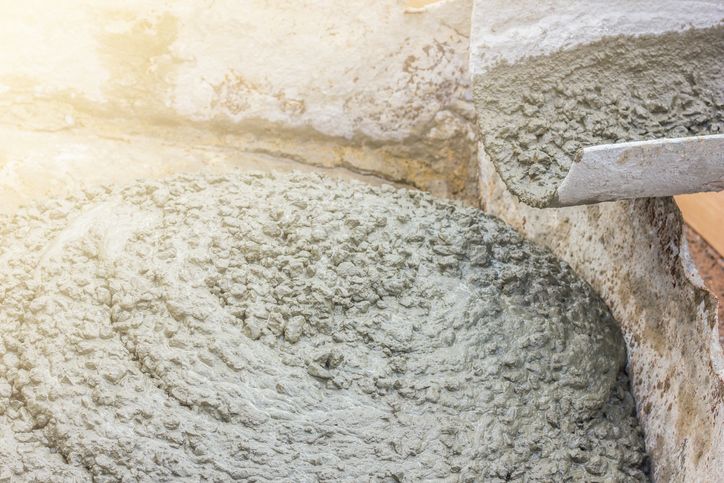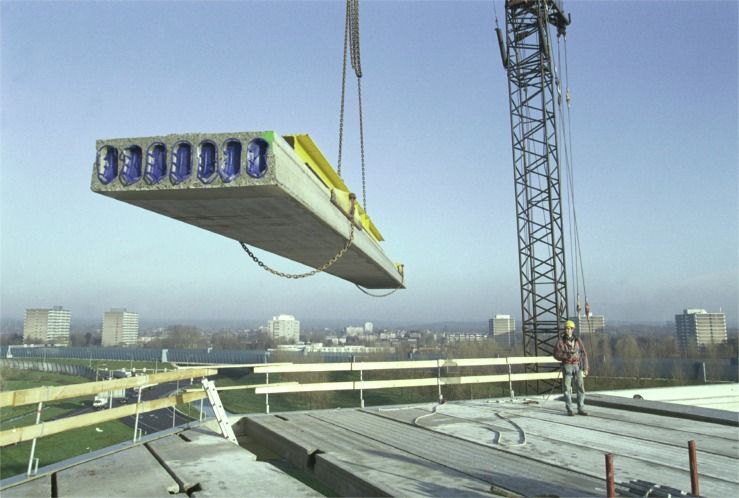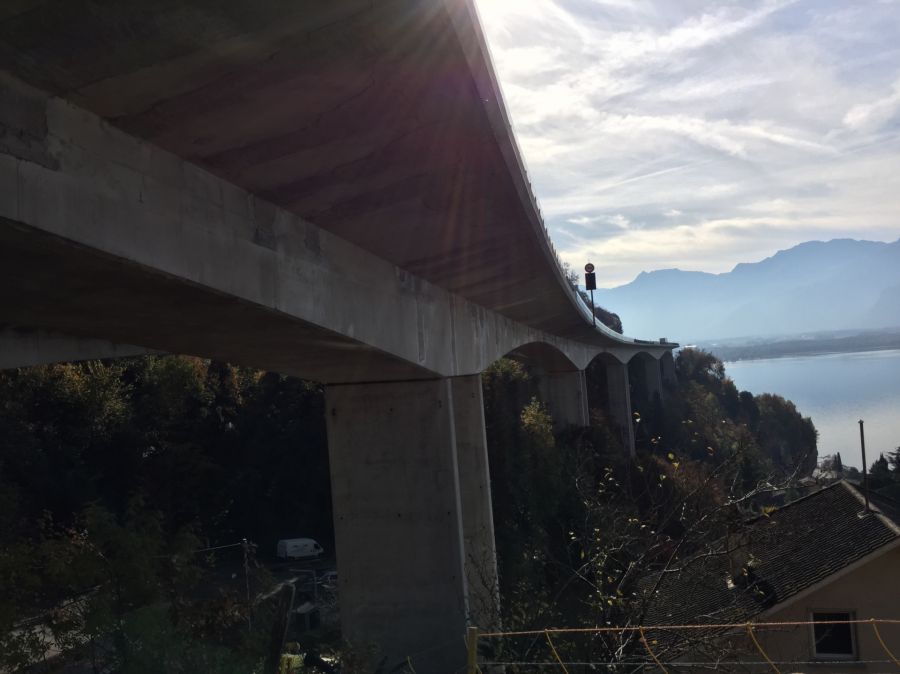
Concrete is the most frequently used building material in Switzerland – but it is very energy-intensive. This is because the production of cement – an important component of concrete – is an energy-intensive process that releases enormous quantities of CO2. Cement is produced by heating the raw materials of limestone, clay and marl to around 1,500 degrees Celsius and converting them into a binder. This is referred to as clinker. The clinker is ground and mixed – together with other ingredients such as gypsum – in order to form cement. During burning, each tonne of cement produces half a tonne of CO2.
As part of the joint project « Low energy concrete », methods and materials were developed that make concrete more environmentally friendly. Researchers from the EPF Lausanne have now investigated a special material during this sub-project : ultra-high performance fibre reinforced concrete (UHPFRC). This currently contains a large quantity of steel fibres and a high share of cement. In order to make it more environmentally friendly, the EPF Lausanne scientist Emmanuel Denarié and his colleague Amir Hajiesmaeili have developed a new ultra-high performance fibre reinforced concrete that reduces its environmental costs by 75 % relative to existing solutions. And the solution they have created has comparable properties with respect to strength, malleability and protection against liquids and gases.